Pay in installments of $7.20 with
 ,
,
 and
and

Shipping Estimate
USA
- USA
- CAN
- USA
- CAN
Ships within 48 hours · Estimated delivery Jul 1 - Jul 6
 Promo Codes Available:
For Your Every Summer RSVP, with Code: SUMMER15
Description
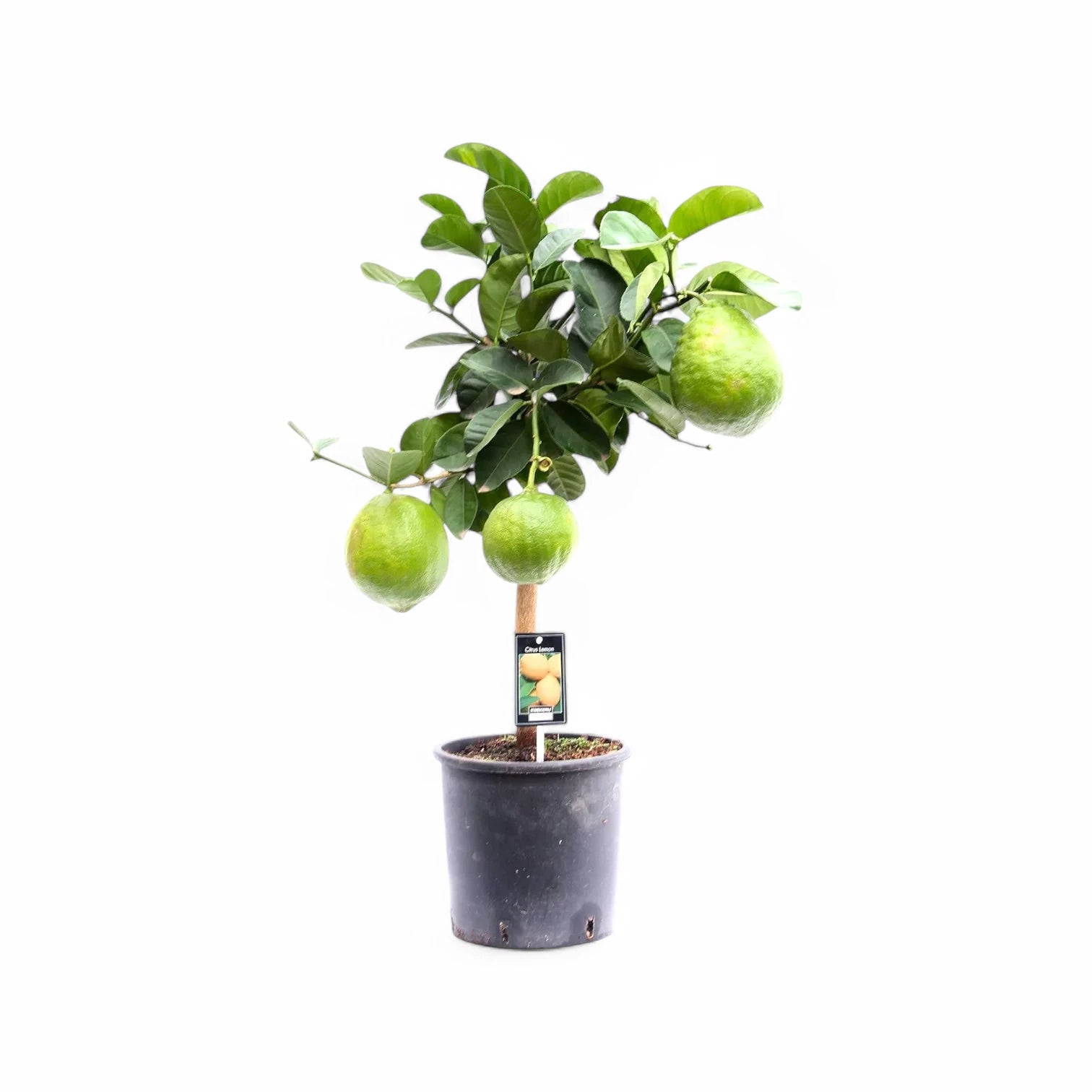
pomelo plant in a pot Citrus maximaCitrus maxima Pomelo Citrus maxima, the pomelo or pummelo, is an evergreen citrus tree known for substantial rounded to pear shaped fruit. It forms a broad leafy crown with aromatic foliage, fragrant white flowers and thick rinded fruit that can become very large on mature plants. In a container, Citrus maxima needs generous root volume, warmth and space for crown development. It can grow as a mobile pot plant in cooler climates when given strong
Citrus maxima – Pomelo
Citrus maxima, the pomelo or pummelo, is an evergreen citrus tree known for substantial rounded to pear-shaped fruit. It forms a broad leafy crown with aromatic foliage, fragrant white flowers and thick-rinded fruit that can become very large on mature plants.
In a container, Citrus maxima needs generous root volume, warmth and space for crown development. It can grow as a mobile pot plant in cooler climates when given strong light, steady summer watering and winter protection above about 10°C. Fruiting is more realistic on mature, well-established plants with enough crown strength.
Pomelo fruit size and broad crown
- Plant type: Accepted Citrus species in the Rutaceae family.
- Leaves: Broad aromatic evergreen leaves, often with winged petioles.
- Growth habit: Strong branching tree with a naturally broad crown.
- Fruit: Large pomelo fruit with thick rind on mature plants.
- Range: Native from Assam to Indo-China in wet tropical biome conditions.
Pomelo background and container behaviour
Citrus maxima develops into a woody evergreen tree with strong branching, broad leathery leaves and scented white flowers. Mature plants can carry heavy fruit, so pot stability and branch balance matter from the early shaping stage.
The species is one of the important ancestral citrus plants behind several cultivated citrus lineages, including sweet orange and grapefruit backgrounds. In a pot, its larger natural frame means the plant may spend years building enough roots, crown and wood before regular fruiting.
Pomelo light, water and root space
- Light: Give full sun or the strongest available light. High light is needed for the large leaves and long fruit-development period.
- Seasonal move: Move outdoors once nights are reliably mild. Use sun, shelter and protection from strong wind after gradual acclimation.
- Water: Water deeply during active growth once the upper substrate begins to dry. Large leaves and developing fruit increase water demand in warm weather.
- Winter moisture: In cool winter quarters, keep the root ball lightly moist and let the surface dry partially before watering again.
- Substrate: Use an open citrus mix with loam, mineral grit, pumice, bark or coarse sand. The mix should hold a larger root system while draining evenly.
- Container size: Use a stable pot with enough weight to balance the crown. Move into a larger pot in small stages as roots fill the container.
- Wintering: Protect before nights fall below about 10°C. A bright 10–12°C winter hold keeps the plant cool and lowers the risk of warm low-light leaf drop.
- Feeding: Feed regularly from spring into late summer with citrus fertiliser. Larger leaves and new branch growth need steady nutrition in pots.
- Pruning: Shape after harvest or in late winter. Shorten vigorous shoots and clear congested inner growth to keep the crown balanced.
- Fruit management: Thin fruit on young plants. A small number of well-placed fruit protects the developing branch framework.
- Pollination: Hand-pollinate flowers under cover when pollinators are absent.
- Large-pot refresh: Refresh the upper substrate annually on large plants, and repot when the root ball becomes dense.
Pomelo foliage, roots and fruit load
- Slow growth: Check temperature, light and root volume. Pomelo responds strongly to sustained warmth during the growing season.
- Yellowing between veins: Review feeding and substrate condition. Container citrus often shows magnesium or iron stress when nutrition or roots are out of balance.
- Weak fruit retention: Check plant maturity, crop load and watering consistency. Young pomelos need enough crown strength before carrying large fruit.
- Leaf-edge browning: Look for drying wind, root stress, salt build-up or uneven watering. Water deeply and let excess drain cleanly.
- Winter leaf drop: Improve light, reduce heat stress and keep watering measured. Cool, bright winter conditions reduce sudden shedding.
Pomelo fruit weight, safety and name
Citrus maxima has aromatic oils and psoralens in peel, foliage and other plant parts. Keep leaves and peel away from pets that chew plants, support heavy fruit on young branches, and wash hands after handling damaged peel or sap.
Citrus maxima (Burm.) Merr. is the accepted Rutaceae combination first published in 1917. The name Citrus is historically linked with citron and aromatic wood. The species epithet maxima means largest, referring to the exceptional fruit size of the pomelo.
Shipping Notes
- Free Standard Shipping on $100+ Orders to the USA.
- Except Preorder products are shipped in 48 hours.
- Delivery to the USA:
- Standard Shipping : 3-10 business days
- If time is of the essence, please consider selecting expedited delivery for faster service.
Exchange/Return Notes
- We offer a 30-day return/exchange service after receiving.
- Final sale items are not eligible for returns or exchanges.
- To process your return/exchange, please contact us at [email protected]
- Please click here for more details>>> Return & Exchange Policy